

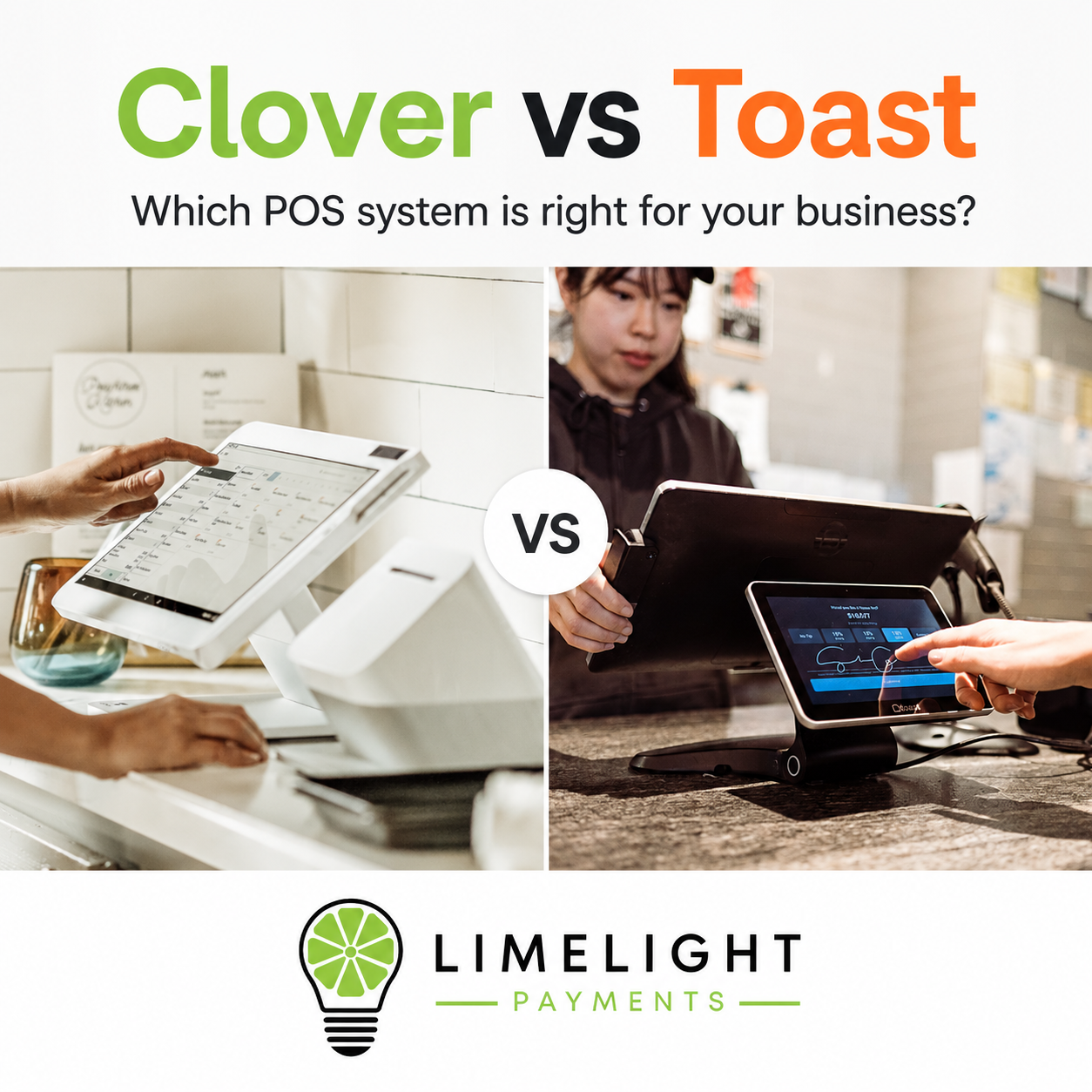
Clover vs. Toast for Small Restaurants in 2026
Toast is the deepest restaurant software in the industry — rented on Toast's terms: locked processing, stacking add-ons, multi-year contracts. Clover is strong restaurant software on an open channel, where processing is shoppable. For a $30k/month independent, the 3-year math runs ~$37–39k on Toast vs. ~$5–6.7k on Clover with dual pricing — plus the honest cases where Toast still wins.

Cash Discount vs. Surcharge for Credit Card Fees
Both programs shift processing costs off your margins — but a surcharge can only touch credit cards (debit surcharging is banned nationwide), while dual pricing covers everything. Same $30k/month business, 50% debit: surcharging recovers ~$5,400/year; dual pricing recovers ~$9,600. The 10-point comparison, the honest cases where surcharging wins, and the 5-question decision.
Dual Pricing Compliance for Clover POS in 2026
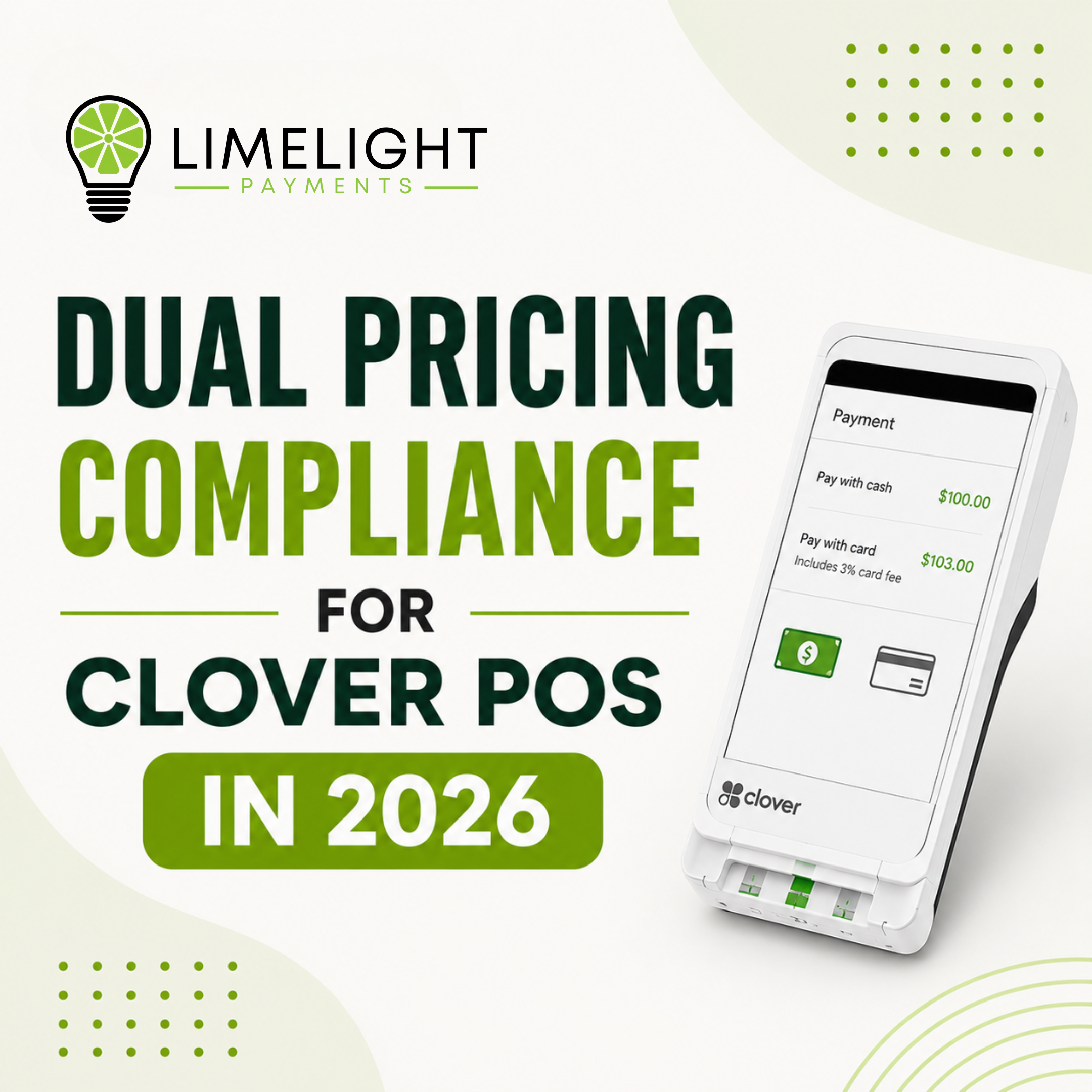
Yes — dual pricing is legal in all 50 states, including the ones that ban surcharging, because two honestly displayed prices are price communication, not a fee. The legal foundations, the six compliance requirements, the debit-card advantage surcharging can never match, the five mistakes that sink programs, and how Clover enforces compliance by configuration.
Cash Discount Programs Explained for Clover POS
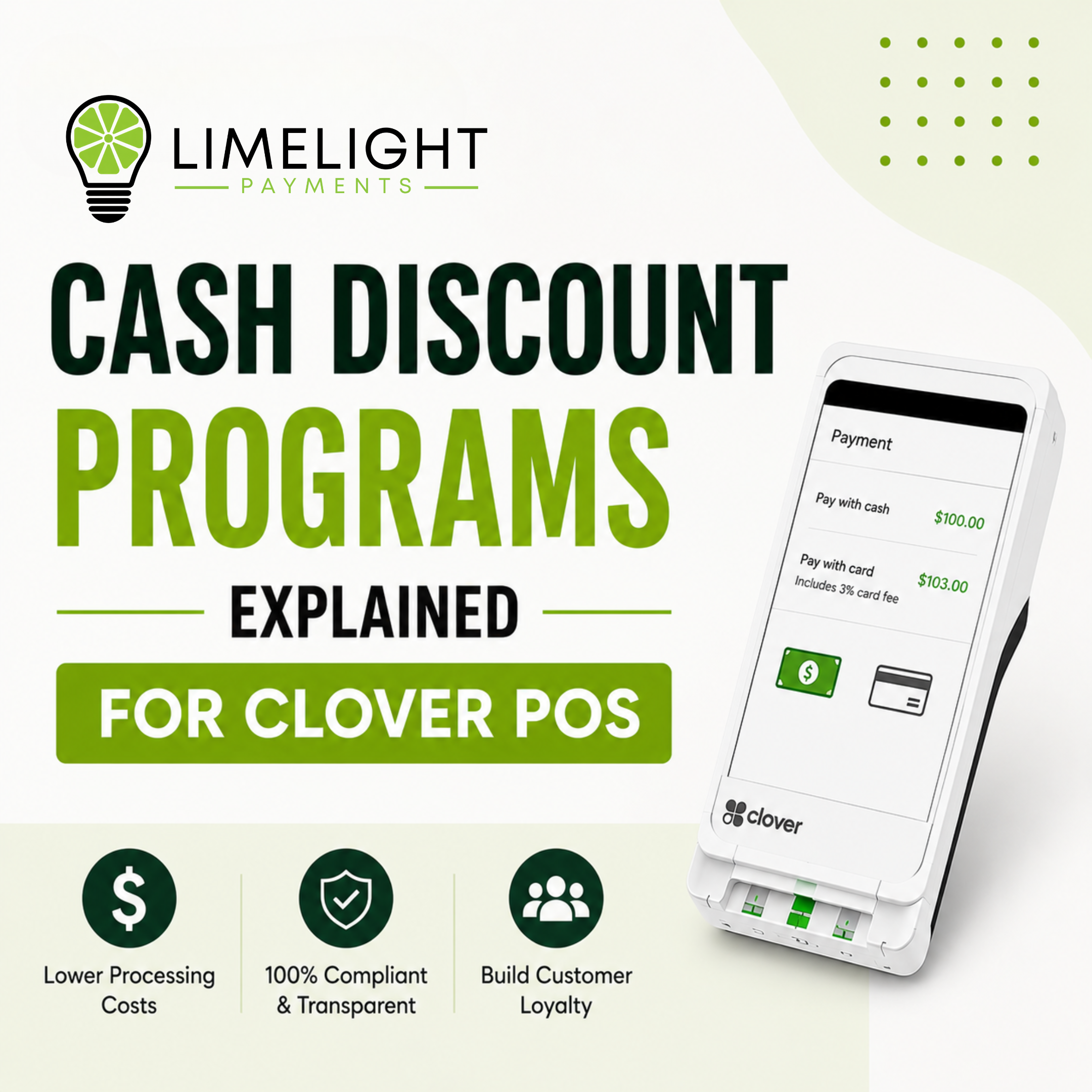
A cash discount subtracts from the posted price; a surcharge adds to it — legally, they're opposites, and mixing them up is how businesses end up violating card-network rules. The three program types decoded, the Visa relabeling trap, the one-question compliance test, how Clover runs these programs natively, and the real math: ~$10,500/year in flat-rate fees vs. a $600–1,200 program fee.

How to Choose a Clover POS for Your Small Restaurant
Clover makes five devices a restaurant might use — and the right one depends on how orders flow through your room, not on spec sheets. Which Clover fits counter service, table service, bars, and trucks; real prices ($1,895 Station Duo, $99 Mini placement); recommended setups by restaurant type; and the honest answer to Clover vs. Toast for small independents.
How to Lower Credit Card Processing Fees With Clover
The same Clover hardware can cost $10,000+ a year on a flat-rate bundle — or under $1,200 with dual pricing enabled. A six-step guide to lowering credit card processing fees with Clover: wholesale pricing, the built-in dual pricing and surcharging features, payment-mix optimization, and the five-minute settings that stop overpaying.
Top 7 POS Systems for Dental Offices in 2026
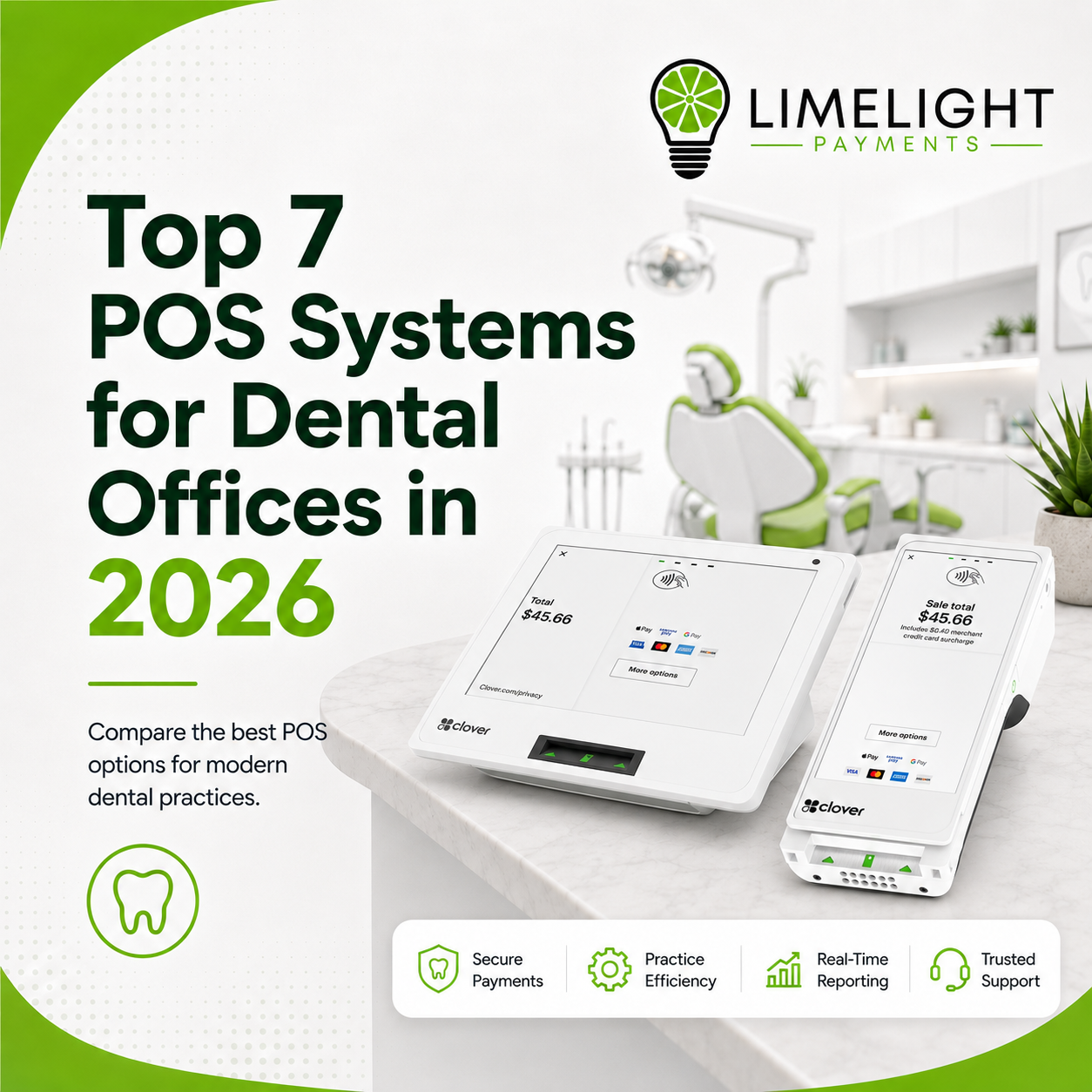
Which POS system is best for a dental office in 2026? We compare seven options — Limelight Payments, Helcim, Square, Lightspeed, Payment Depot, Toast, and Leaders Merchant Services — on pricing models, front desk workflow, hardware, and support. Includes a real cost example showing what flat-rate pricing costs on large treatment payments, a HIPAA/PCI explainer, and a matching guide by practice type.
Clover + ADP Integration: Built-In Payroll, Time Tracking, and Employee Management in One Dashboard
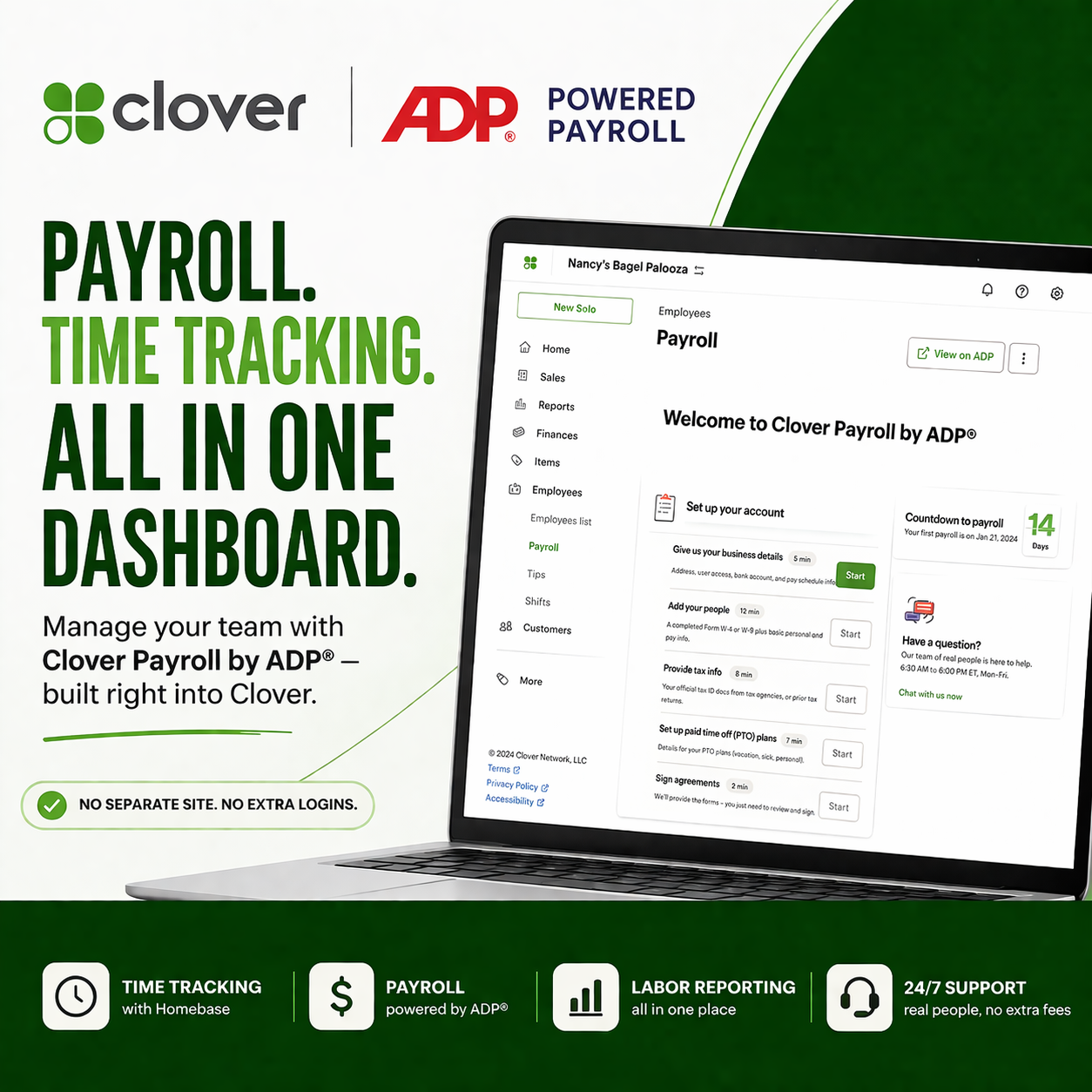
Clover Payroll by ADP brings payroll, time tracking, and employee management into one dashboard, helping businesses simplify operations and reduce manual work.

Best Way to Get a Clover POS in 2026 — Consultant vs Big Providers + Clover vs Square vs Toast vs Lightspeed Comparison (Complete Guide for Small Business Owners)
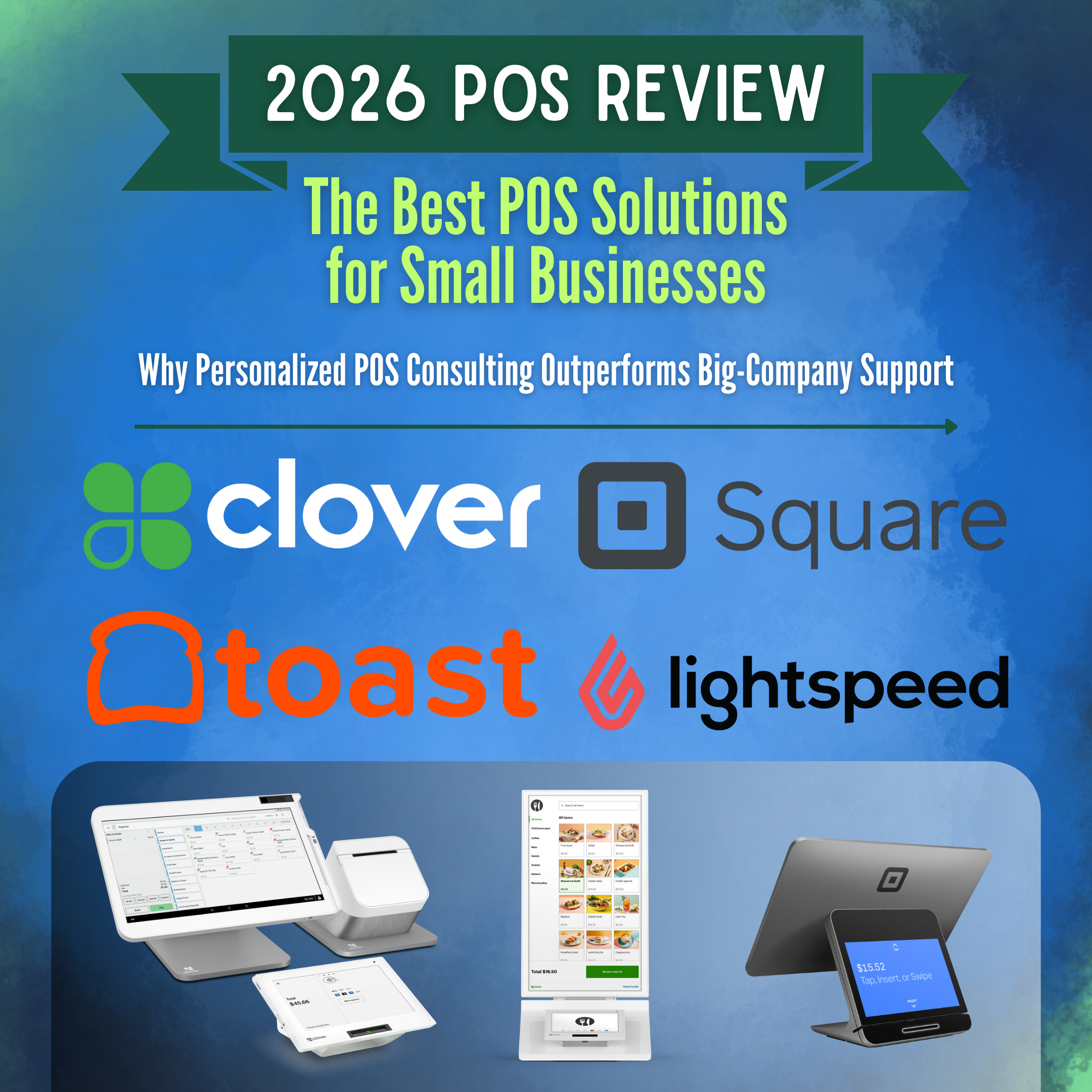
Discover why choosing a Clover POS through a dedicated POS consultant often beats signing with big providers. Compare Clover vs Square vs Toast vs Lightspeed, learn setup benefits, support differences, and how to choose the right system for your business.
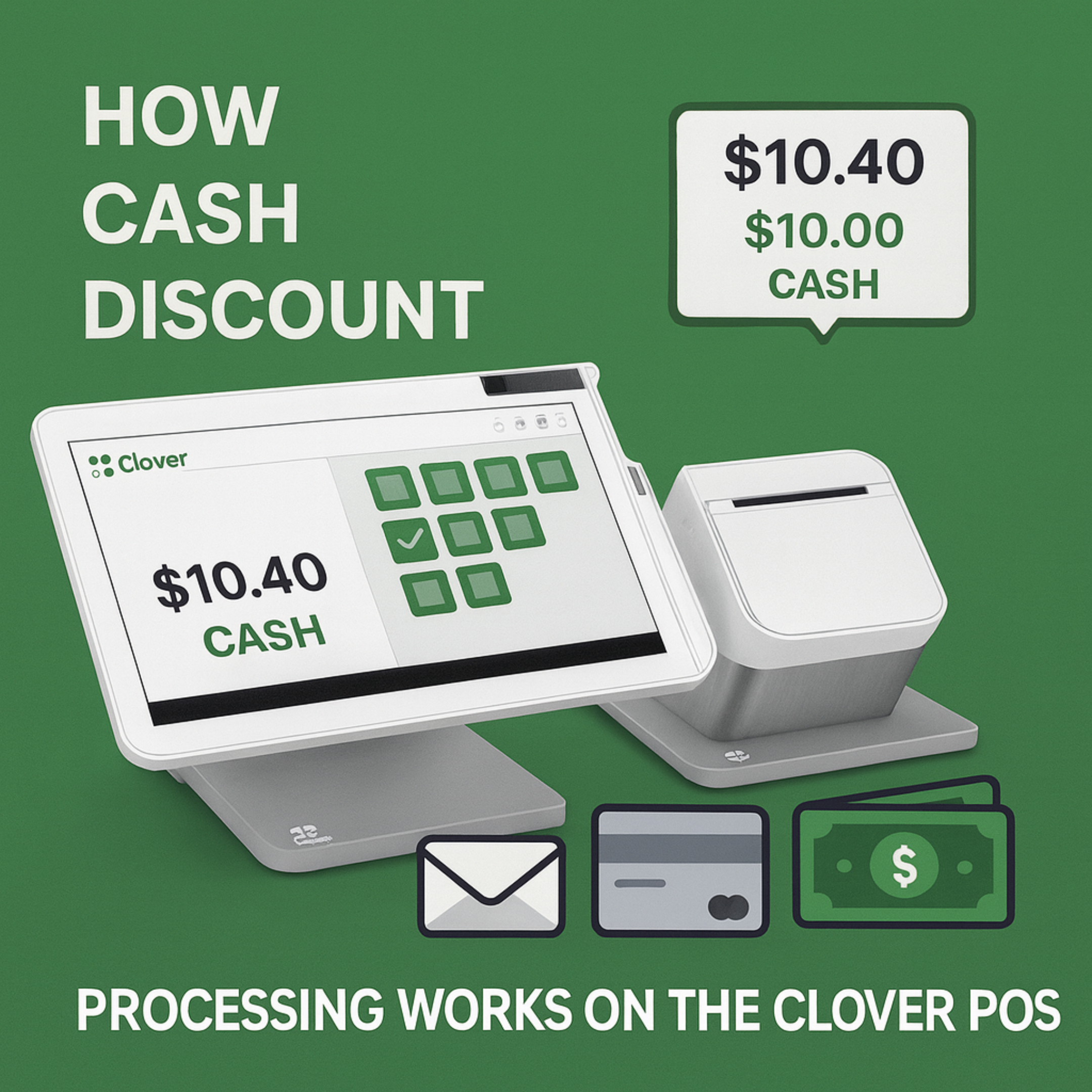
How Cash Discount Processing Works on the Clover POS System (and How to Avoid Visa & Mastercard Non-Compliance Fines)
Learn how to set up a fully compliant cash discount (dual pricing) program on your Clover POS system and avoid costly Visa and Mastercard non-compliance fines. This guide explains how cash discounting works, the best Clover app to automate pricing, and how to stay legal, transparent, and fee-free.